You're good on the table. You're just hard to choose.
When clients can't tell what you're known for, they pick on price. Physios don't know who to send you. And your calendar fills with whatever walks in.
This is the step-by-step system for choosing the clients you want more of, checking there's demand, and rebuilding your menu, bio and referrals around them - without dropping the regulars who pay your rent.
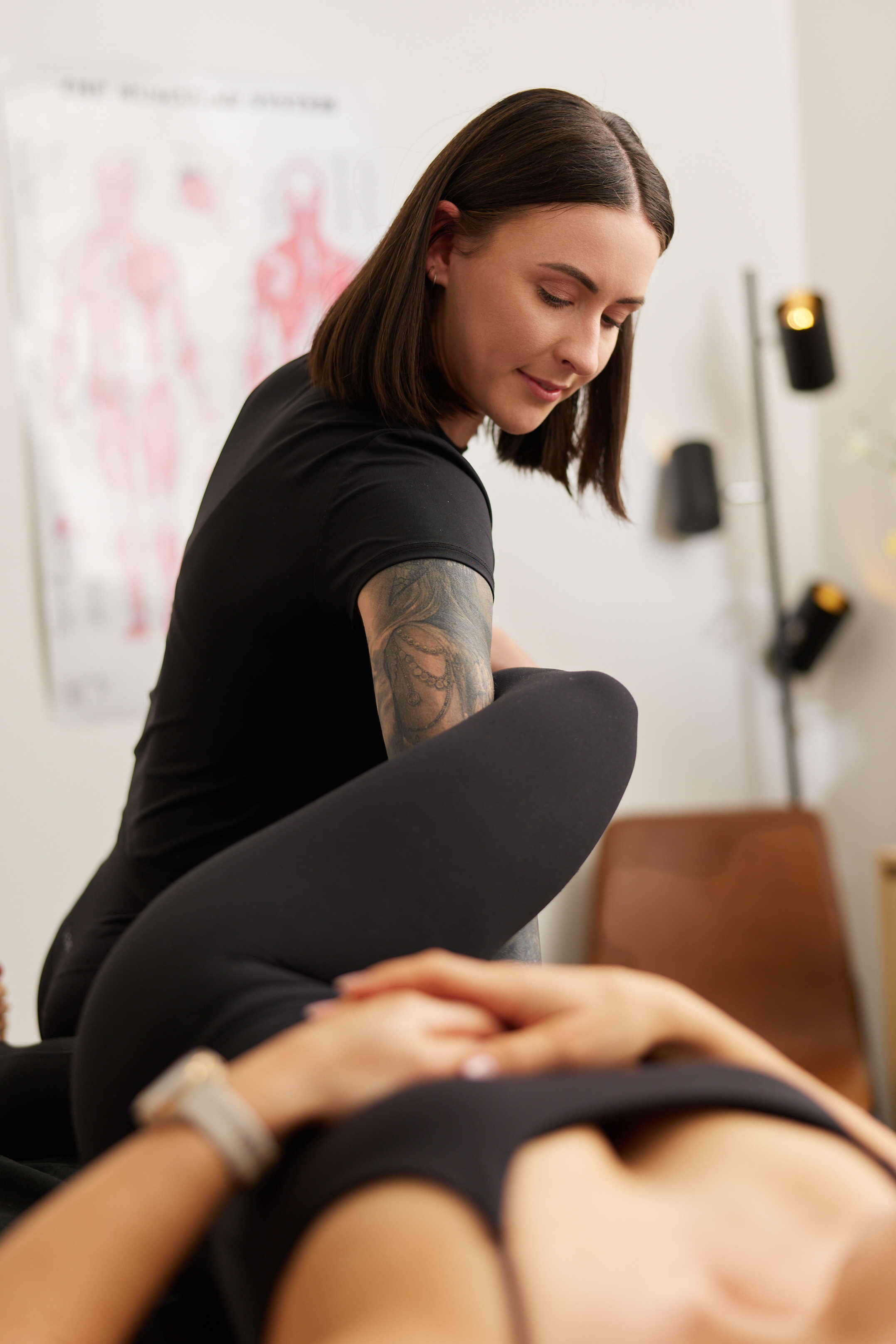
Someone asks what you do. You say "remedial and relaxation".
And you watch them file you next to every other therapist in the suburb.
It's not a skill problem. You're good at this. But "tailored treatments for everyone" gives a client nothing to choose you on except price and availability. It gives a physio nothing to repeat. It gives your Instagram nothing to say.
So you end up with a book that looks like this:
"I have no idea where the next client is coming from."
"Half my week is work I don't even like doing."
"I can't put my prices up - they'll just go somewhere cheaper."
Here's the part nobody says out loud. Every yes to work you don't want books you more of it. The relaxation regular tells a friend. The one-off sports client never comes back. A year later you're fully booked, flat, and wondering why you got into this.
You've already tried the obvious fixes.
Posting more
More reels, more tips, more effort. But without a clear "who", nobody knows the content is for them.
Discounting
Intro offers fill the gaps and attract the people who leave when the discount does.
Taking every booking
More hours, same income ceiling - and a body that's keeping score.
A generic business course
Good theory, built for someone who isn't solo, hands-on and fully booked with the wrong work.
None of these failed because you didn't try hard enough. They failed because they're volume fixes for a position problem.
A niche isn't a label. It's a set of decisions.
Who you treat. What problem you're known for. What's on your menu - and what isn't. What a physio says when they refer you. What you post on a Tuesday.
Get those decisions right and the rest gets easier. Clients can explain why they chose you. Referrers know exactly who to send. Your content writes itself, because you're talking to one person about one problem.
The Specialist Practice System walks you through every one of those decisions, in order, using evidence that's already sitting in your booking history - not a trend, not a guess, not a niche someone else hands you.
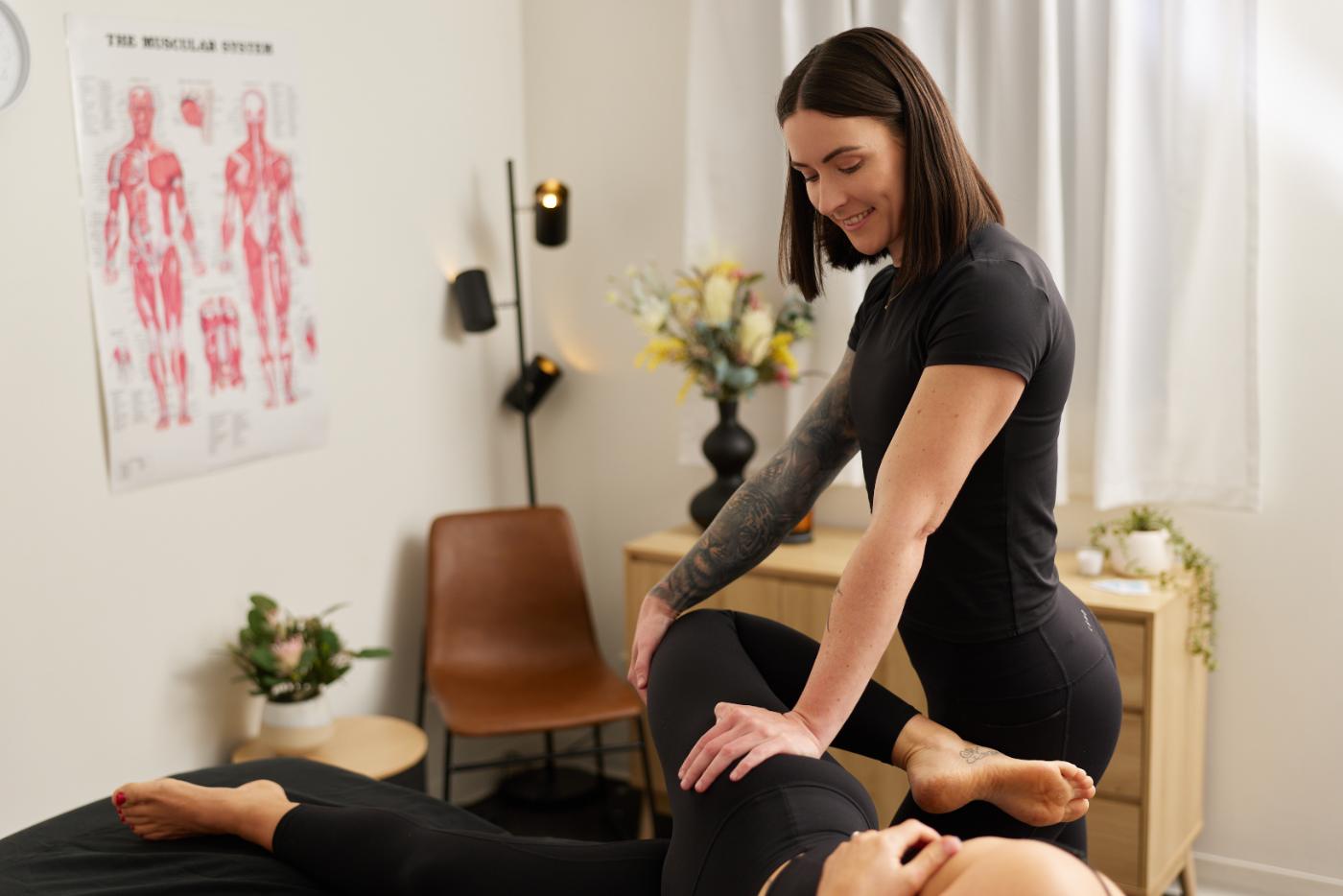
I worked this out the slow way.
When I moved states, I built EASE Mobility into a full clinic in twelve months. Full - and close to burnt out. I was saying yes to everything, and everything kept coming back.
Working out what I actually wanted to be known for took me seven months of trial and error. It nearly cost me my love for the job.
Today EASE Mobility is a clinic for people with performance goals - cross the line, win the medal, stand on stage - without the injuries along the way. I work three days a week, and there's a waitlist that runs months out.
This course is the process I wish I'd had. Every step, in order, without the seven months.
Kat Nichols - founder, The Massage Advisory and EASE Mobility
You don't have to lose a single regular.
This is the fear that stops most therapists, so let's deal with it now.
Specialising doesn't mean turning people away tomorrow. You keep the existing work that suits you while you test your new direction. Nobody currently on your table gets cancelled. What changes is what you say, what you put on your menu, and who starts finding you because of it.
For the requests that don't fit anymore, you get a kind, simple script to refer them on - so you protect the relationship and your reputation at the same time.
Here's what changes on the page.
One of the worked examples from the course - a therapist who decides to specialise in tradies.
Remedial and relaxation massage for everyone. Tailored treatments to help you feel your best.
"There's a massage place down the road."
I work with tradies whose shoulders, backs and knees take the hit from a full week on the tools.
"If you're on the tools and your shoulder's limiting you, go and see Sam. Tradies are all Sam treats."
Same hands. Same skills. Three options instead of six, and a sentence people can repeat.
Six phases. Each one ends with something done.
Audit your practice
Pull the patterns out of your own booking data: who rebooks, who you treat best, where your best weeks actually come from.
Check the demand
Make sure enough of those people exist near you, and run your direction through a scope gate so you only promise what your training covers.
Choose your anchor
Commit to one anchor problem and one best-fit client. This is where most therapists stall, and where the course does the heavy lifting.
Build your position
Write it, stress-test it, and turn it into your bio, your booking page and the one-sentence answer to "so what do you do?"
Rebuild and get referable
A focused menu, referral scripts for physios and other practitioners, and a 30-day content and outreach plan.
Launch and protect it
Run a small live launch, track what happens, and review over 8-12 weeks, so you adjust on evidence rather than nerves.
By the end, you'll have:
Then the part everyone gets stuck on: what do I actually post?
Most courses stop at "now go and tell people". This one doesn't.
Once you've built your position, put it into Position Into Posts - who you help and the problem you help with. In about 20 seconds you'll have seven posts written for that exact person: the hook, the full reel script or carousel slides, the caption, and how to film each one on your phone.
Five posts build trust and get people talking. Two invite them to book. All of them stay inside your scope - no diagnosing, no promised results.
Don't like one? Hit "write a different one" and it rewrites that post from a new angle. Run it again whenever you need a fresh week.
"People looked at my price, and they couldn't believe I was charging so much, but I stood my ground because I understood my positioning. I could clearly explain to them who I was treating, why I was above the standard, and I truly believed in my value."
Abbey, Massage Advisory member
Abbey said this about other therapists at a massage expo - they were the ones who couldn't believe her prices. Her actual clients never questioned it, and not one of them left.
Is this for you?
US$197. Less than two appointments.
If this helps you land one client in your niche who keeps rebooking, it's paid for itself several times over. No promises on numbers - that part depends on the work you put in and your market. But the maths isn't hard to make work.
Lifetime access to the course, inside the Massage Advisory app.
Get the system - US$197Do the audit. Then decide.
Work through Phase 1 within 14 days. If it doesn't show you something about your practice you didn't already know, email me and I'll refund you. No hoops.
FAQ
How long does it take?+
The lessons are short and self-paced - most people work through them over a few weeks. The 8-12 week live test in Phase 6 runs alongside your normal client load.
Am I too new for this?+
If you're qualified and seeing clients, no. Newer therapists often find it easier - there's less to unwind.
What if I pick the wrong niche?+
You're not picking forever. You're picking a direction to test, and the course shows you how to read the results and adjust. I changed mine twice.
Will this get me more bookings or let me raise my prices?+
There are no guaranteed numbers here. Pricing is treated as its own decision inside the course - specialising doesn't automatically mean you should charge more, and the course shows you how to tell when you're ready.
Do I need a new website, logo or brand?+
No. You'll update your bio, menu and booking page - not rebrand.
How does Position Into Posts work?+
It's a simple tool you open from inside the course. You type in your niche, and it writes seven ready-to-edit posts for it. Read each one out loud and change anything that doesn't sound like you before you post - you're still the one hitting publish.
Is the AI Niche Finder included?+
It's not part of the course. Right after checkout, you'll get the option to add it for US$37.
Is this included in The Massage Advisory Membership?+
No - it's sold separately.
Is there coaching or a community?+
No. It's self-paced and built to be done on your own, at your own speed.
Build the practice you'd actually choose.
Not more hours. Not a cheaper intro offer. A clear answer to "so what do you do?" - and a menu, a bio and a referral network built around it.
Get the system - US$197One-time payment. Lifetime access.
See you inside,
Kat
Get the system - US$197
One-time payment. Lifetime access.
The Specialist Practice System is educational business content. It isn't medical, legal, insurance, financial or advertising advice. No bookings, income or pricing outcomes are guaranteed. You remain responsible for working within your scope of practice, assessing client suitability, and complying with your professional association's code of conduct and advertising rules.